
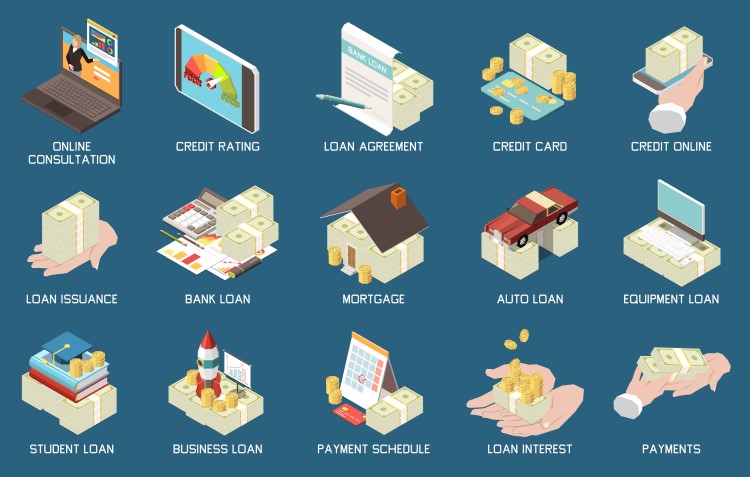
Navigating the world of loans can be overwhelming, especially with the variety of options available. Understanding the different types of loans can help you choose the best one for your needs, whether you're financing a large purchase, consolidating debt, or managing an emergency expense. Here's a breakdown of the most common types of loans:
1. Personal Loans
Personal loans are versatile and can be used for a wide range of purposes, such as consolidating debt, making home improvements, or covering unexpected expenses. These loans are typically unsecured, meaning they don't require collateral. Interest rates for personal loans can vary based on your credit score and lender. Repayment terms usually range from one to seven years.
2. Mortgage Loans
Mortgage loans are specifically designed for purchasing real estate. These loans are secured by the property itself, meaning the lender can foreclose on the property if you default on the loan. Mortgage loans come with various terms and interest rate options, including fixed-rate and adjustable-rate mortgages. The repayment period for mortgage loans can range from 15 to 30 years or more.
3. Auto Loans
Auto loans are used to finance the purchase of a vehicle. These loans are typically secured by the vehicle, which means the lender can repossess the car if you fail to make payments. Auto loans usually have shorter repayment terms, ranging from three to seven years. Interest rates can vary based on your credit score and the lender's policies.
4. Student Loans
Student loans are designed to help cover the cost of higher education. There are two main types of student loans: federal and private. Federal student loans are offered by the government and often come with more favorable terms, such as lower interest rates and flexible repayment options. Private student loans are offered by banks and other financial institutions and may have higher interest rates and fewer repayment options.
5. Business Loans
Business loans are intended to help entrepreneurs start or expand their businesses. These loans can be used for various purposes, including purchasing equipment, managing cash flow, or funding expansion projects. Business loans can be secured or unsecured, with terms and interest rates varying based on the lender and the borrower's creditworthiness. Repayment terms can range from a few months to several years.
6. Payday Loans
Payday loans are short-term loans designed to provide quick cash until your next paycheck. These loans typically come with very high interest rates and fees, making them an expensive borrowing option. Payday loans are often used by individuals facing emergency expenses or cash flow issues. Due to their high cost, it's generally advisable to explore other options before considering a payday loan.
7. Home Equity Loans
Home equity loans allow you to borrow against the equity in your home. These loans are secured by your property and can be used for various purposes, such as home renovations, debt consolidation, or major expenses. Home equity loans typically have fixed interest rates and repayment terms ranging from 5 to 30 years. Because these loans are secured by your home, it's crucial to ensure you can make the payments to avoid foreclosure.
Conclusion
Understanding the different types of loans available can help you make informed financial decisions. Whether you need a personal loan for unexpected expenses, a mortgage for a new home, or a business loan to grow your enterprise, knowing your options allows you to choose the best loan for your needs. Always consider the terms, interest rates, and repayment options before committing to a loan to ensure it aligns with your financial goals.
Leave a Reply